Economic Climate:
Inflation: elevated but volatile
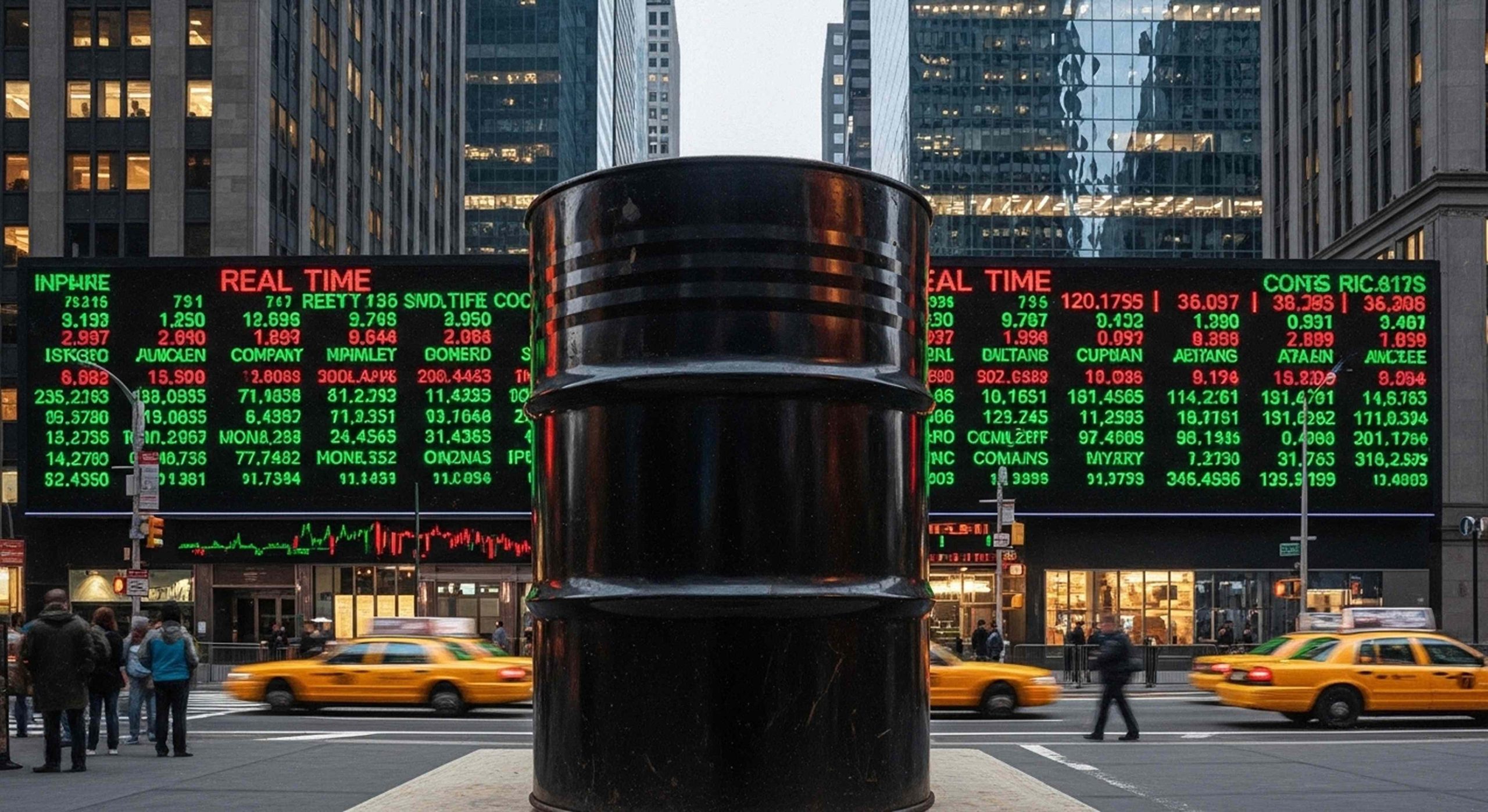
Inflation is running around ~3.3% year-over-year, remaining above the Fed’s target. Energy prices—particularly oil—have been the primary driver of recent volatility. Core inflation continues to show stickiness, signaling underlying price pressures remain intact.
Fed policy: holding steady, data-dependent
The Federal Reserve is maintaining a “higher for longer” stance as it monitors inflation trends. While rate cuts are still possible later in 2026, they depend heavily on clearer disinflation. Market expectations remain divided, leading to ongoing rate volatility.
Labor market: stable but softening
The labor market remains relatively strong, with unemployment around 4.3%. However, job growth has begun to slow across several sectors. There are increasing signs that hiring demand is cooling, particularly in interest rate-sensitive industries.
Growth & macro backdrop: resilient but slowing
Economic growth remains positive, supported by steady consumer spending. However, the pace of growth is gradually slowing compared to earlier periods. Geopolitical risks, particularly related to energy markets and global trade, continue to add uncertainty to the outlook.
Commercial Real Estate outlook:
Fundamentals Property
Performance is increasingly diverging by sector, with office continuing to lag while retail and industrial show more resilience. Vacancy rates are rising modestly overall, largely driven by office weakness and a surge of new multifamily supply. Rent growth has slowed across most sectors, though it remains positive in industrial and select areas of retail. Tenant demand is still present but has become more selective, with a clear preference for high-quality, well-located assets.
Capital markets
Transaction volume remains muted as buyers and sellers continue to struggle to align on pricing expectations. Cap rates are moving upward, reflecting the higher interest rate environment and increased risk premiums. Equity capital is cautious and increasingly focused on distressed opportunities as well as core-plus assets. While liquidity is still available, it is highly selective and primarily targeting stronger sectors such as industrial, multifamily, and necessity-based retail.
Debt & distress
Refinancing risk remains elevated due to the combination of higher borrowing costs and declining property valuations. The CMBS maturity wall is contributing to a rise in loan extensions, modifications, and transfers to special servicing. Office assets account for the majority of distress, particularly in secondary markets where fundamentals are weakest. Lenders are generally opting to work through restructurings rather than pursue immediate foreclosures, extending timelines for resolution.
Overall Outlook
Commercial real estate conditions are expected to remain challenged through 2026, especially within the office sector. Some improvement is likely as interest rates stabilize and capital markets gradually reopen. Distress-driven transactions should increase, helping to establish clearer price discovery across asset classes. Over the longer term, fundamentals remain strongest in sectors supported by durable demand drivers, particularly industrial and retail.