Defeasance 2025 Year in Review:
· Defeasance activity in 2025 occurred against a stressed CMBS backdrop, with overall delinquency rates remaining elevated above 7% for much of the year, limiting opportunistic loan payoffs and refinancing-driven defeasance.
· Office and multifamily sectors exhibited heightened distress, with office delinquencies reaching record levels and multifamily delinquency rising to the highest levels seen in nearly a decade, constraining defeasance viability for weaker assets.
· A significant CMBS maturity wall shaped borrower decision-making, as more than $150 billion of private-label CMBS loans were scheduled to mature in 2025, forcing sponsors to evaluate payoff, extension, restructuring, or defeasance alternatives.
· Capital markets liquidity remained available through ongoing CMBS issuance, providing refinancing options for higher-quality assets and reducing the need for defeasance in some transactions.
· Defeasance activity skewed toward necessity rather than opportunity, with execution primarily tied to asset sales, mandatory release provisions, or strategic restructurings rather than rate-driven refinancing.
· Overall, 2025 defeasance volumes remained subdued, shaped more by credit stress, maturity pressure, and market selectivity than by favorable interest-rate economics.
Defeasance Outlook — 2026 (vs. 2025)
· Defeasance activity is expected to recover modestly in 2026, with total volumes projected to increase ~10–20% versus 2025, as interest rates gradually ease and market volatility declines.
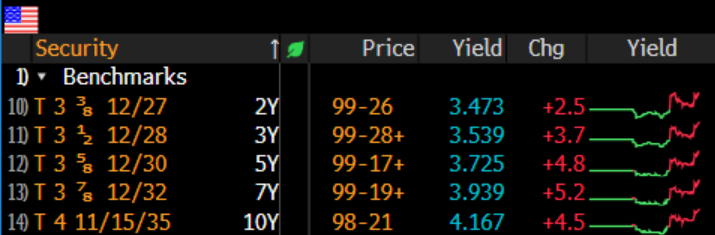
· Defeasance economics should improve meaningfully relative to 2025, with lower Treasury yields reducing replacement collateral costs by an estimated 5–15%, bringing more loans back into feasibility.
· Refinancing-driven defeasance is likely to re-emerge, reversing part of the 2025 dynamic in which ~60%+ of activity was transaction-driven, and shifting the mix closer to a balanced refi vs. sale split.
· Loan vintages from 2016–2018 will be a primary driver, as maturing CMBS loans with above-market coupons face refinancing pressure and sponsor incentives to reset capital stacks.
· Multifamily and industrial are expected to increase their share further, potentially accounting for ~65%+ of defeasance volume, while office activity remains selective and concentrated in high-quality assets.
· Execution cadence should become more consistent than in 2025, with fewer start-stop windows and a longer planning horizon as borrowers move from monitoring to execution.